
Culture that beats with pride
Culture and traditions
Music, dance, festivals and crafts that tell who Panamanians are.
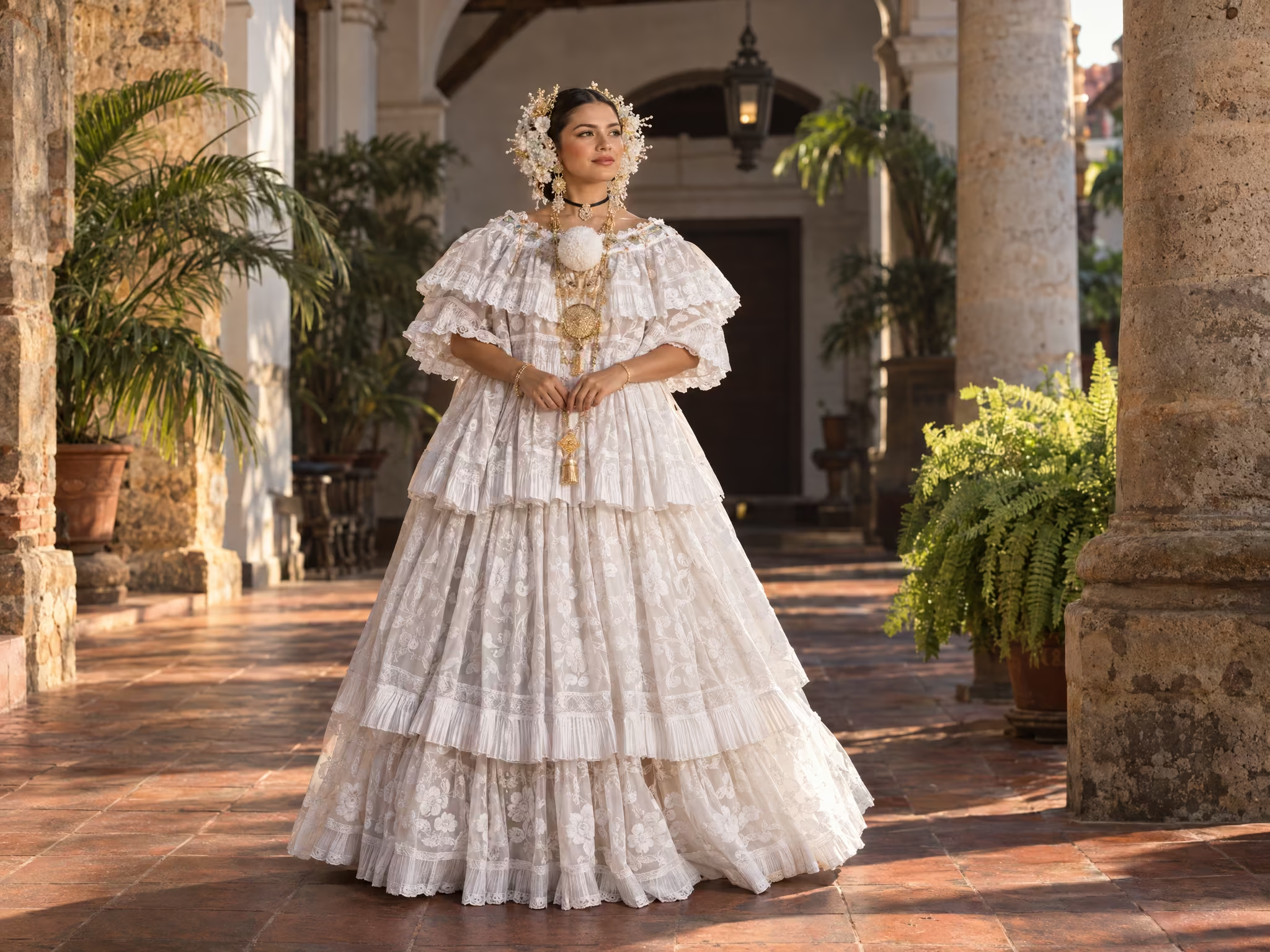
The Pollera
One of the most elaborate folk dresses in the world, the crown jewel of Panamanian traditions.
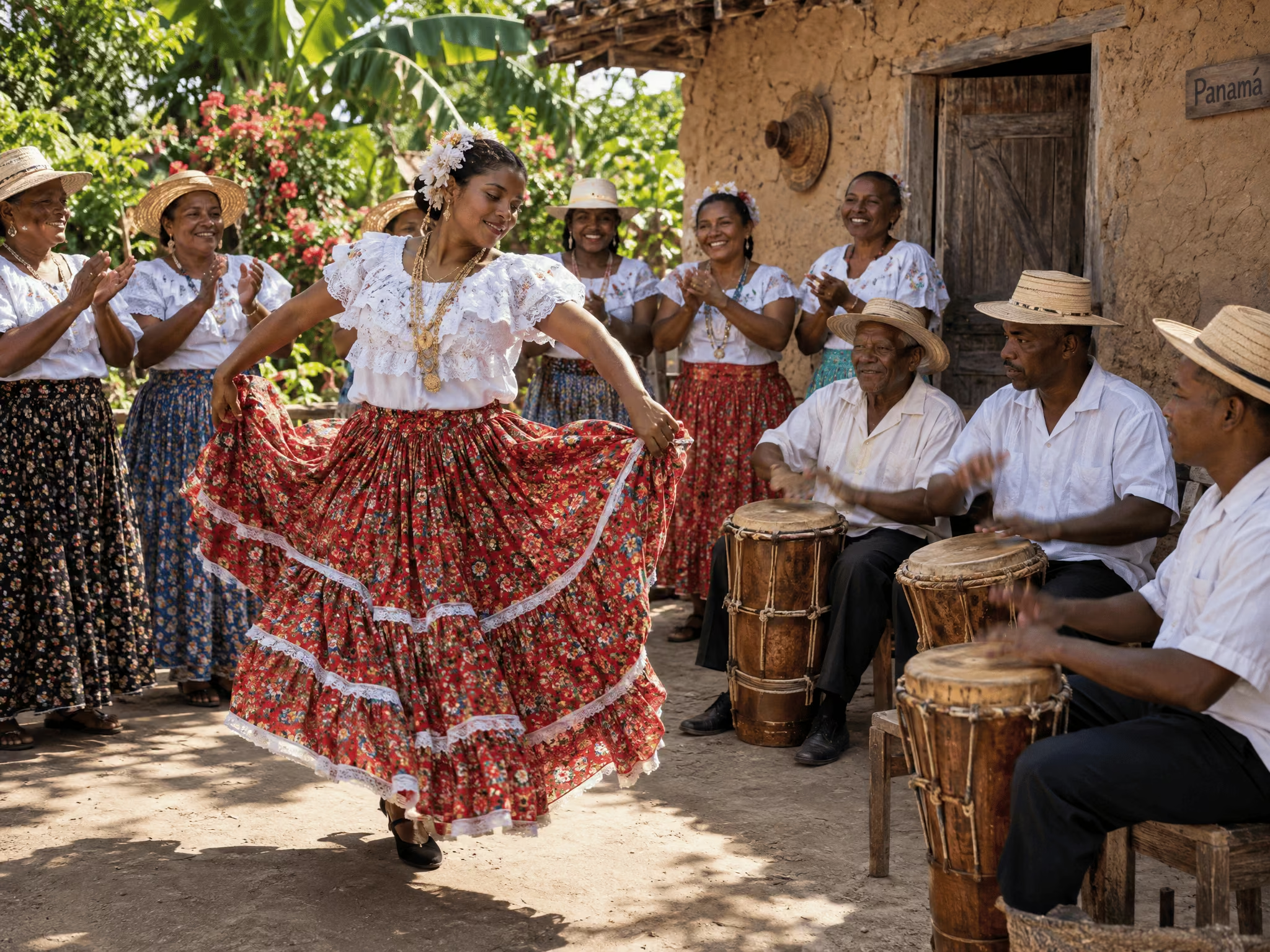
Tamborito and Folkloric Music
The tamborito is a call-and-response song where a lead singer and chorus trade verses over three drums and the clapping of hands. It is the sound of Panamanian gatherings, of festivals and of pride. From it grew the salomas, the décimas and much of the country’s musical identity.
The flavors of Panama
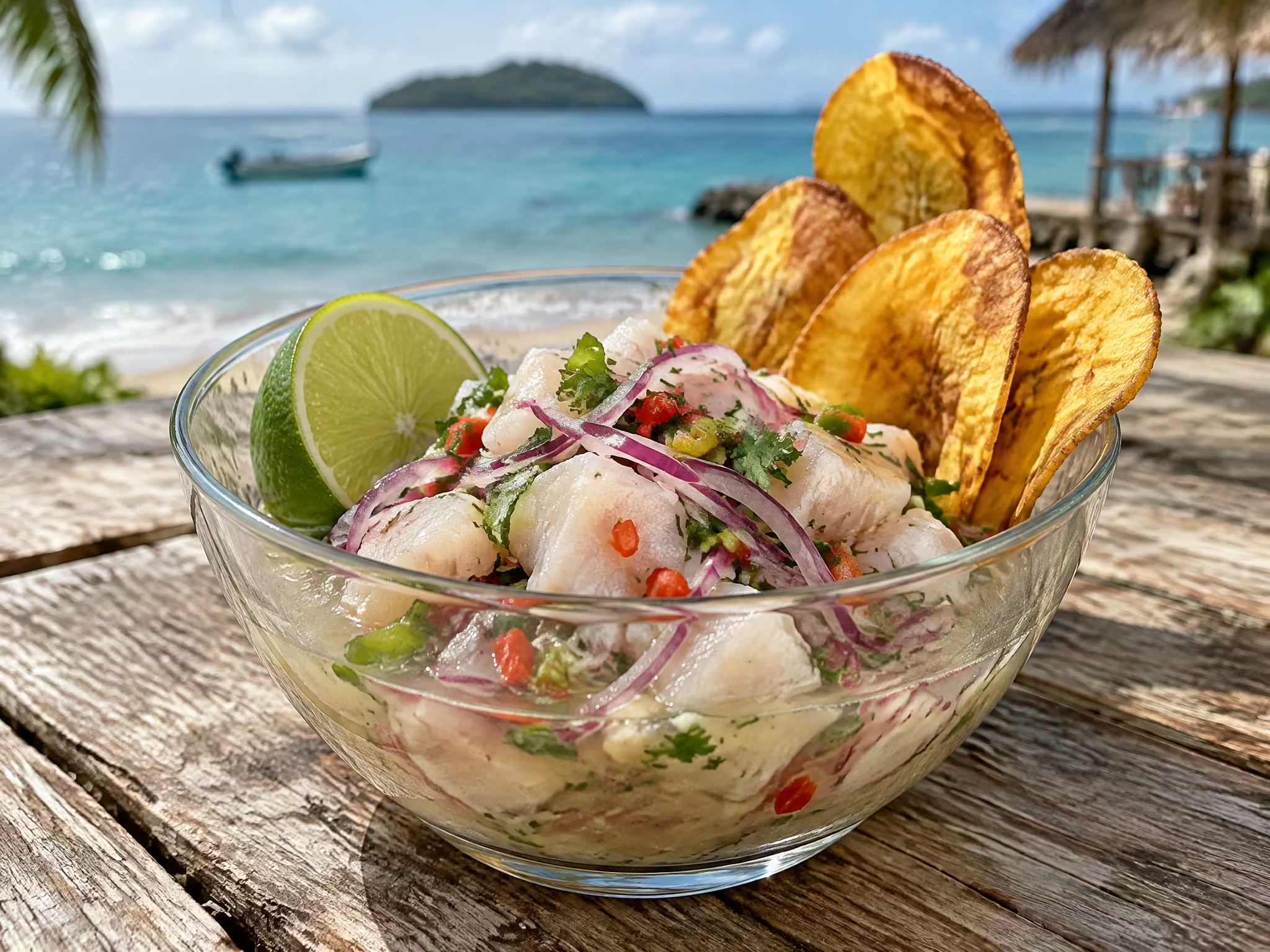
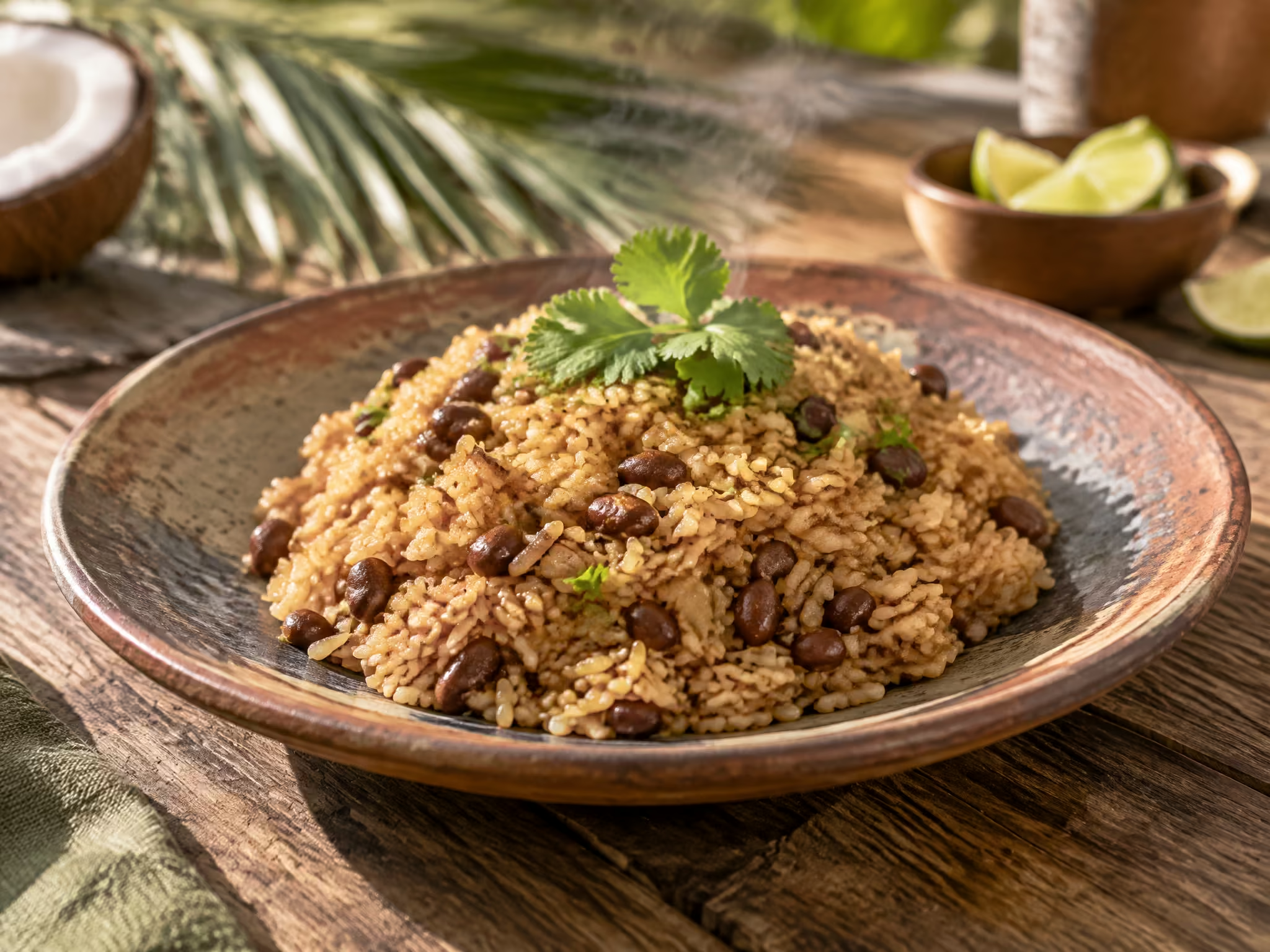
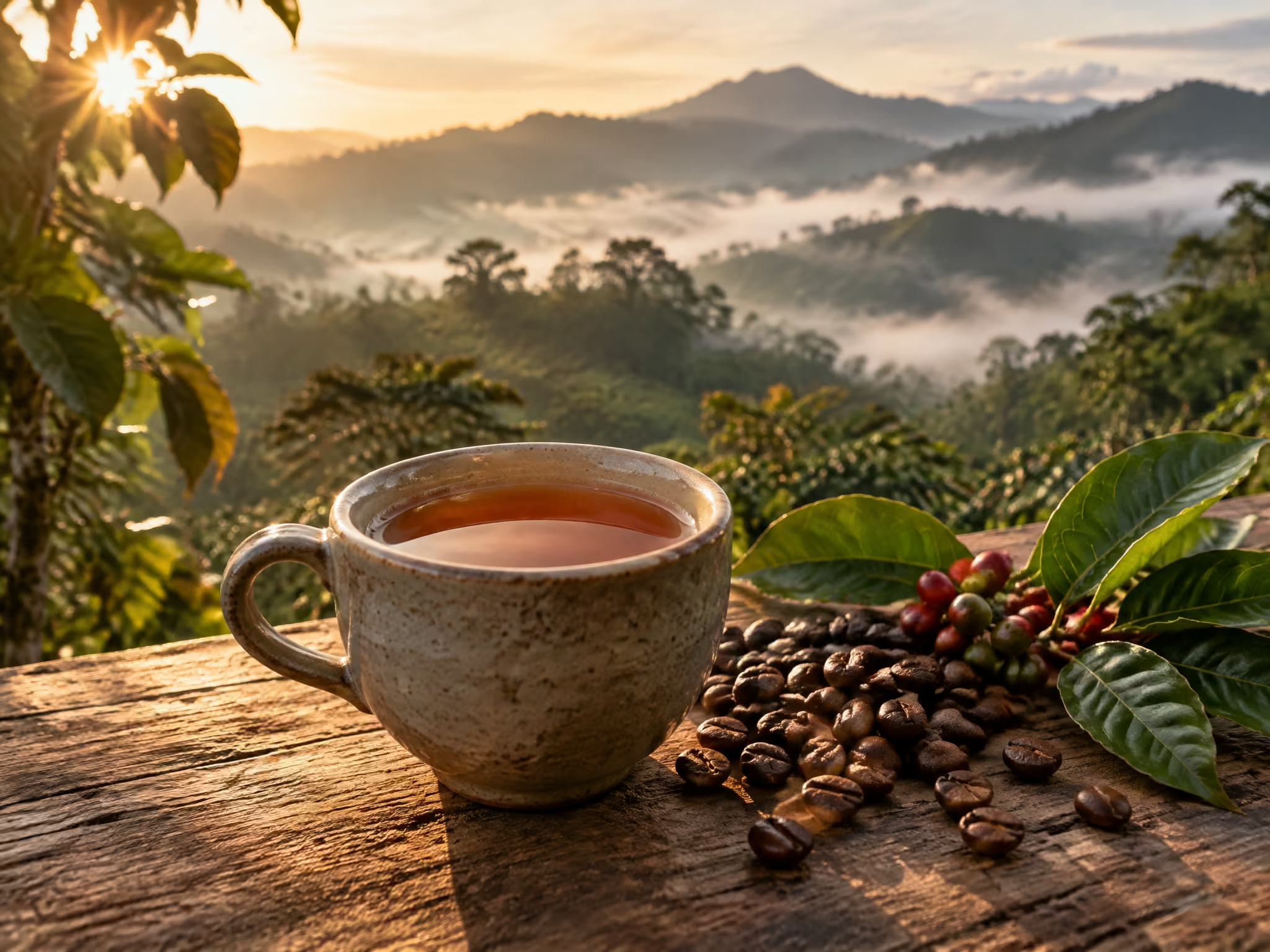
Culture that beats with pride
The Pollera
The pollera is a full white skirt and blouse adorned with fine embroidery, often finished with golden jewelry and combs. It can take months to make by hand and is worn with pride at festivals, weddings and the famous Carnival parades.
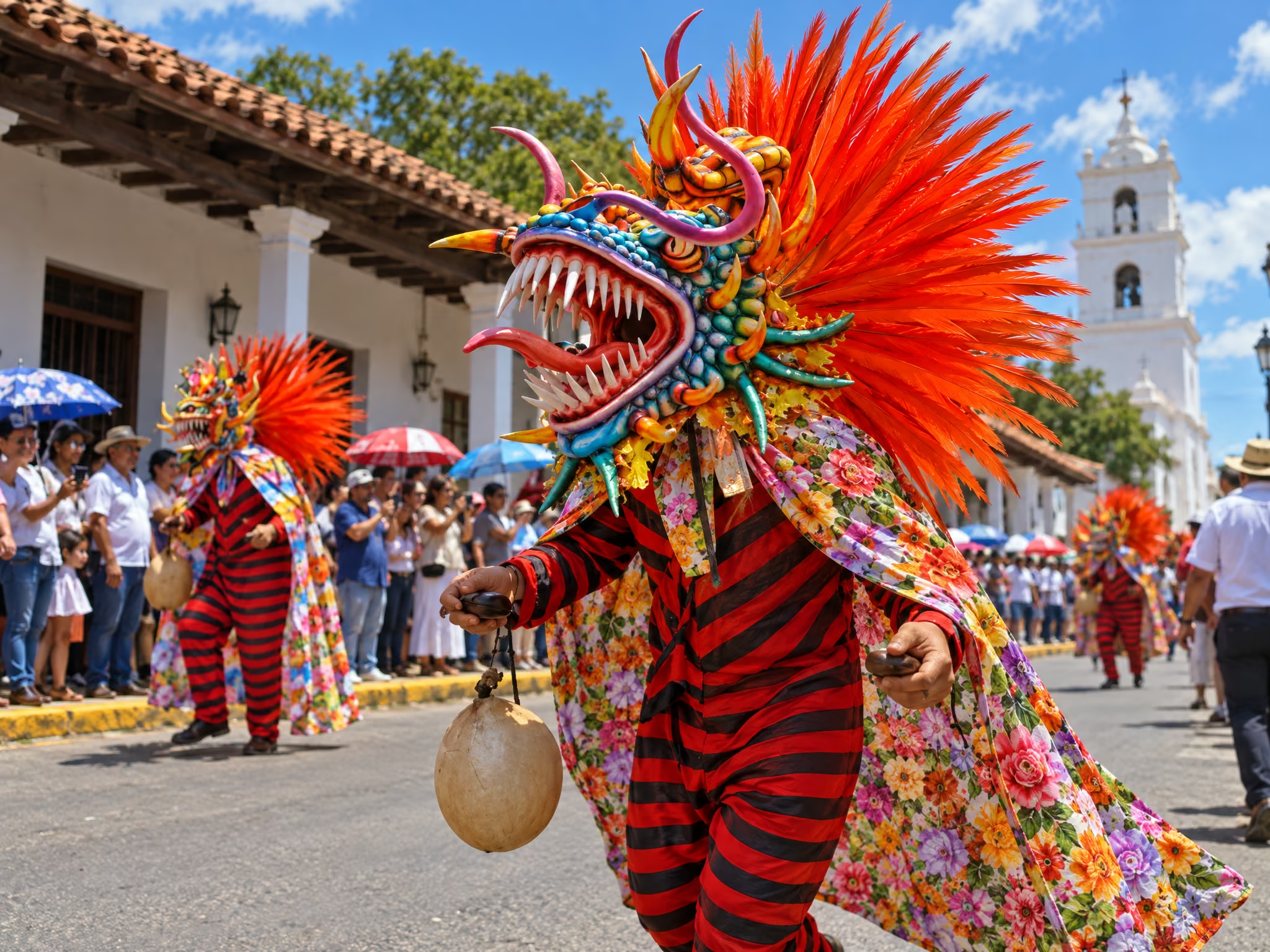
Diablitos Sucios
Grotesque masks, mirrors and bells: the devils of Villa de Los Santos dance at Corpus Christi to scare away evil amid fire, dance and mischief. A tradition blending African, Indigenous and Spanish roots in a single celebration.
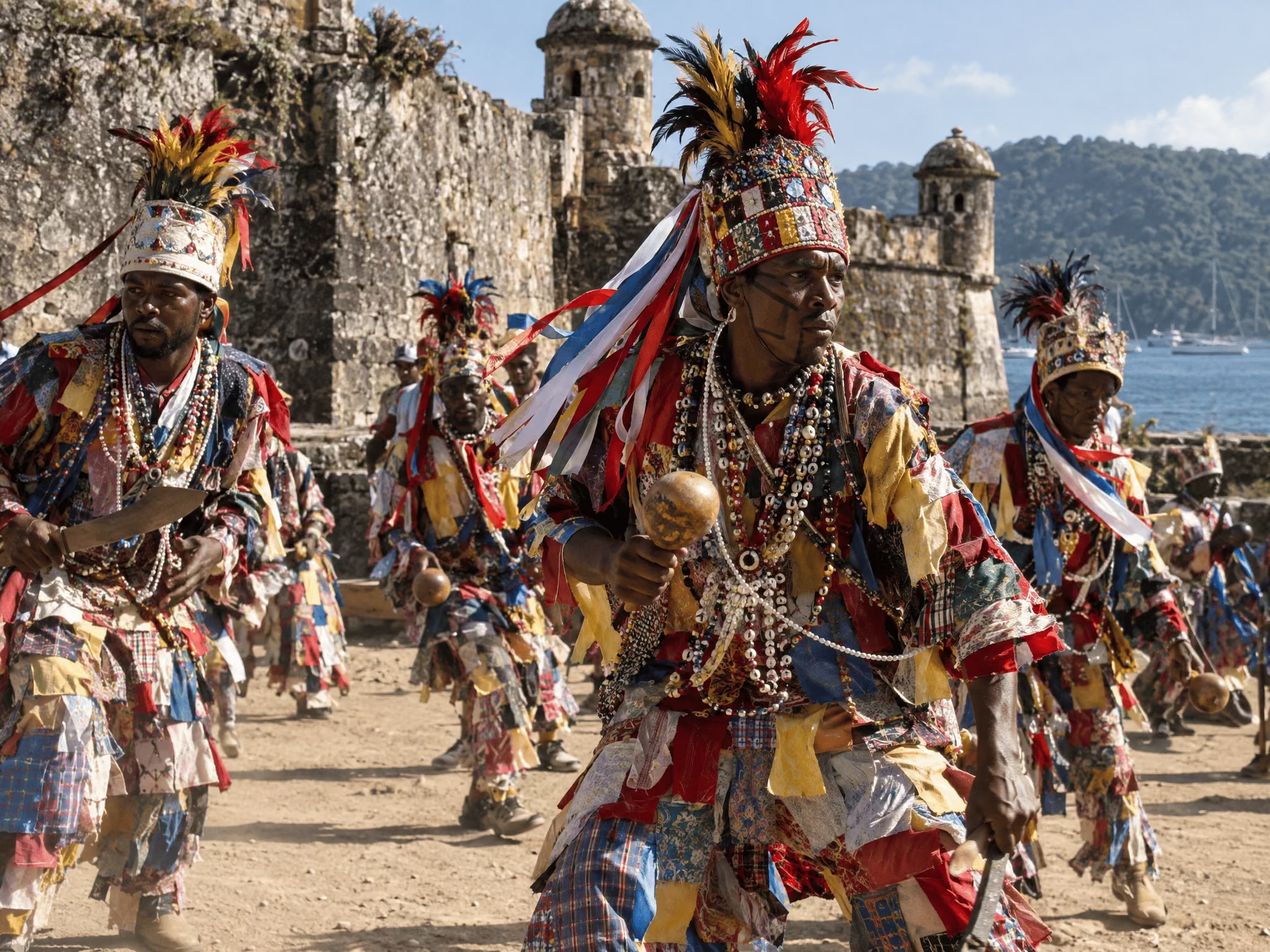
Congos of Colón
Drums, patchwork skirts and flower crowns: Congo culture celebrates the freedom of the runaway enslaved with dances that are a living memory of Afro resistance in the Panamanian Caribbean.
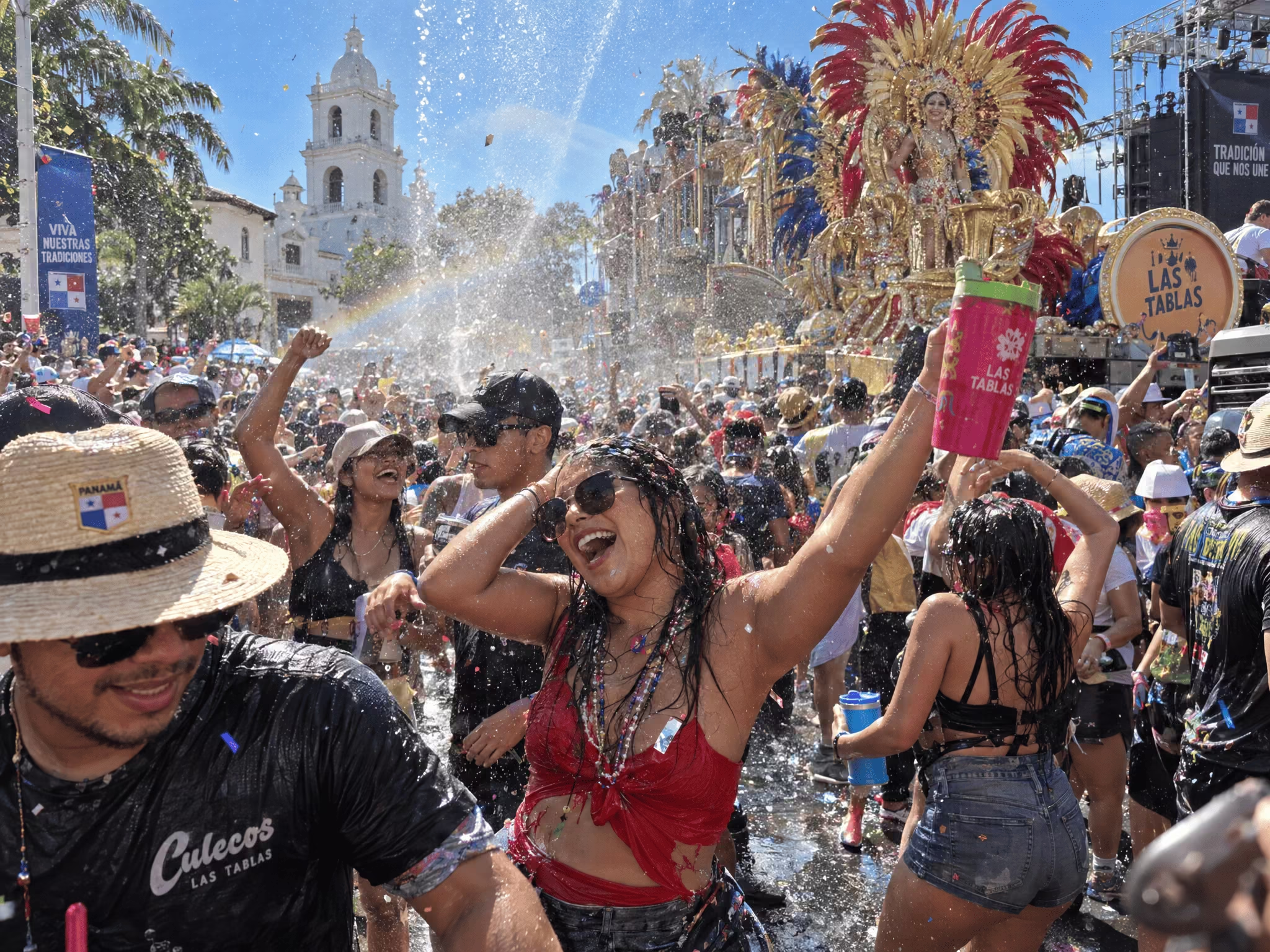
Carnival
Every year the streets fill with culecos — crowds dancing under trucks that spray water — floats, queens in elaborate costumes and music that runs from dawn to dawn. The famous polleras shine, and the whole country celebrates together.
Discover our culture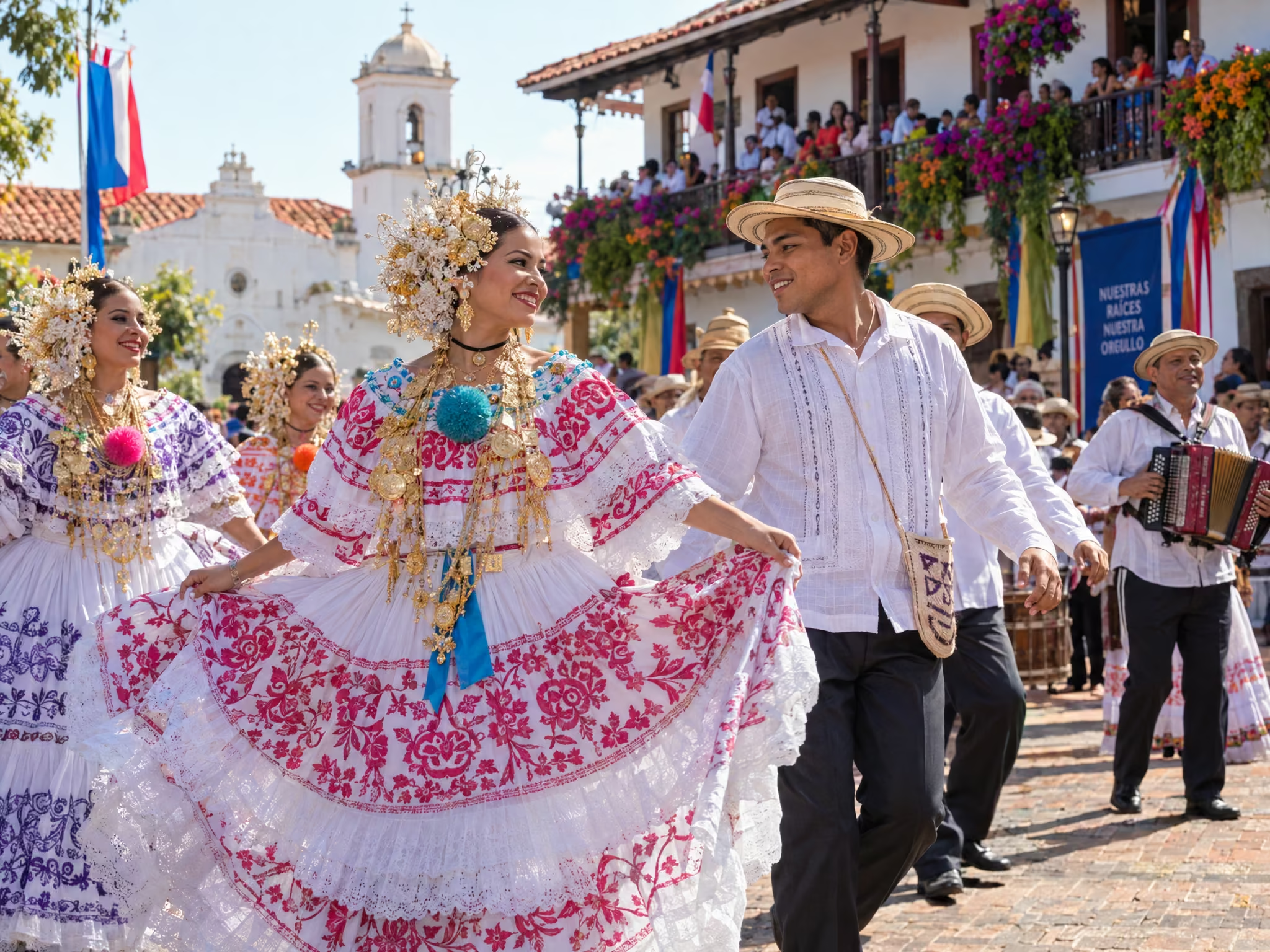
Festivals and fairs
From the Flower and Coffee Festival in Boquete to the patron-saint festivals of Los Santos, every month brings a reason to celebrate: pollera parades, fairs, music and small-town pride.
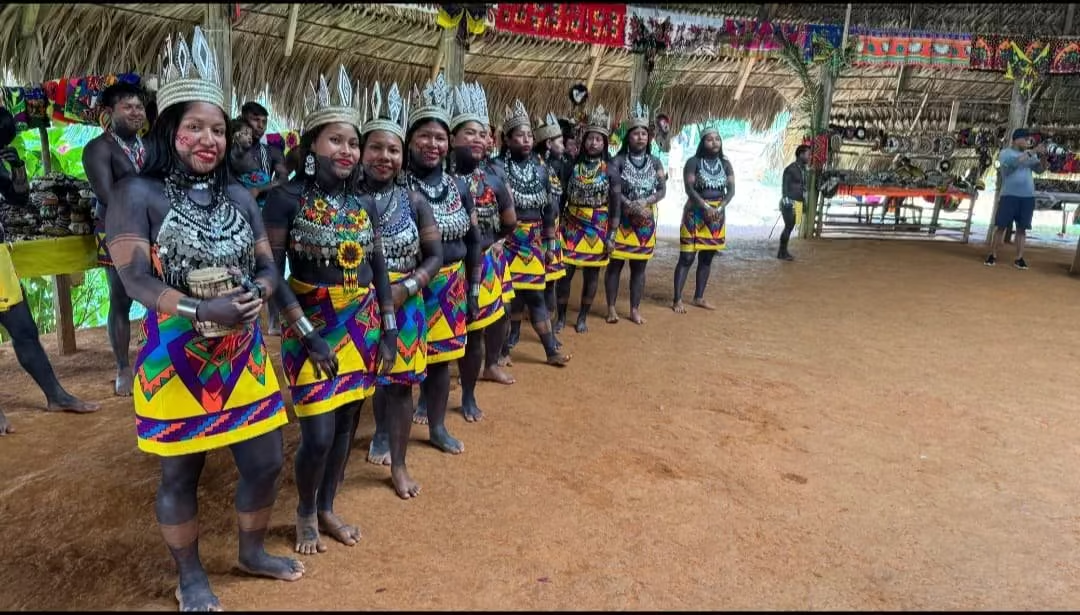
Seven Indigenous peoples
Ngäbe, Buglé, Guna, Emberá, Wounaan, Naso and Bribri: a living part of Panama keeps languages, dances and arts you can experience firsthand, respectfully and hand in hand with their communities.
Hand-sewn textile art from the Guna people, layered in vivid color and full of meaning.
- Ngäbe Comarca Ngäbe-Buglé
- Buglé Comarca Ngäbe-Buglé
- Guna Guna Yala
- Emberá Darién y Chagres
- Wounaan Darién
- Naso Tjërdi Bocas del Toro
- Bribri Bocas del Toro
Ready when you are
No pressure, no rush. Tell us what you dream about and we will help you make it happen.